How Does My Cars Cruise Control System Actually Work?
Table Of Content
- Adjust speed as necessary
- How To Set Cruise Control
- What's All The Buzz About? Sign up to the CarBuzz Newsletter to find out!
- Everything you need to know about bike racks for your vehicle
- How Does Cruise Control Work With Adaptive Cruise Control?
- Future Applications Of Adaptive Cruise Control
- Adaptive cruise control vs. standard cruise control
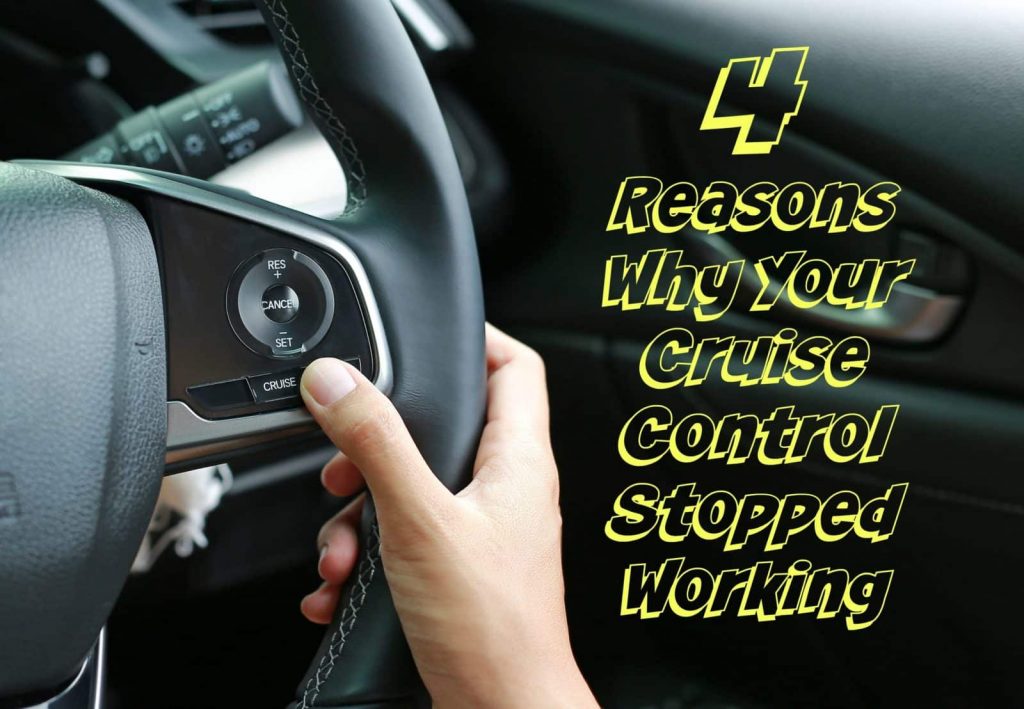
These are commonly located on the steering wheel or on the windshield wiper or turn signal stalk. Tapping the knob in the opposite direction will decelerate the vehicle. As a safety feature, the cruise control system will disengage as soon as you hit the brake pedal. Regular cruise-control maintains a constant speed but doesn’t take into account the traffic around us. On the other hand, adaptive cruise-control is like having a smart companion.
Adjust speed as necessary
This system measures the actual speed of your car over a certain distance and then measures the intended speed of your car over the same distance. Each car with cruise control has a basic computer under its dashboard, usually known as a PID (Proportional-Integral-Derivative Control) system. Justin has written one of the largest collections of used car buyer guides on the internet, and his TV program, AutoPilot, has aired over 600 episodes across 16 seasons. With 4 years as co-chair of the Canadian Car of the Year Awards (CCOTY) program, a passion for vehicle testing shines though in all of his work. Depending on the year, make and model, cruise control may be available for add-on or retrofit.

How To Set Cruise Control
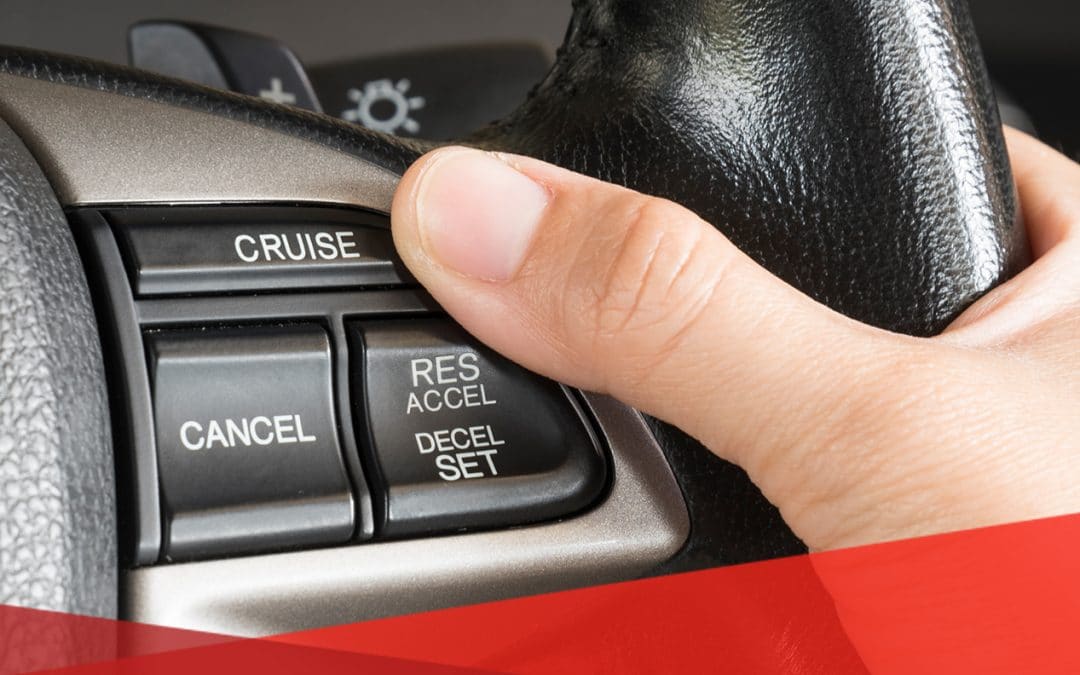
Some controls perform multiple functions, depending on how they are used. For example, the Set and Accelerate functions are often incorporated into the same button or toggle. Although individual carmakers may provide differing controls, the fundamentals of a basic cruise control system remain the same. That is, the driver manually sets and then can adjust the desired speed, while the cruise control system automatically responds to the driver’s input via steering-wheel-mounted controls. Cruise control is a feature allowing the driver to set a predetermined speed, which the system’s computer maintains until the driver adjusts the speed, taps the brake, or disengages the system. In other words, once set, the cruise control system automatically controls vehicle speed, relieving the driver of that responsibility.
What's All The Buzz About? Sign up to the CarBuzz Newsletter to find out!
The driver sets a maximum speed similar to what one would do with normal cruise control. A radar sensor located in the front end of the car locates traffic ahead of it and locks on to the car ahead. This sensor then controls the speed of your car so that it always stays 2-3 seconds behind the car in front. In the picture above, you can see two cables connected to a pivot that moves the throttle valve.
What is Tesla Autopilot and how does it work? - Pocket-lint
What is Tesla Autopilot and how does it work?.
Posted: Thu, 31 Aug 2023 07:00:00 GMT [source]
Many cars use actuators powered by engine vacuum to open and close the throttle. These systems use a small, electronically-controlled valve to regulate the vacuum in a diaphragm. This works in a similar way to the brake booster, which provides power to your brake system. Nissan and other manufacturers are even looking at connected cars that will share data with one another to help autonomous systems learn how to avoid hazards and react to certain situations.
What is Mercedes-Benz Downhill Speed Regulation? - J.D. Power
What is Mercedes-Benz Downhill Speed Regulation?.
Posted: Tue, 08 Aug 2023 07:00:00 GMT [source]
By maintaining a steady speed, it reduces the likelihood of erratic driving behavior and potential accidents. However, it is important to note that cruise control shouldn't be used in certain conditions, such as heavy traffic or slippery roads. At its core, cruise control involves a series of sensors that monitor the vehicle's speed and a control unit that regulates the throttle. When the driver sets the cruise control to a specific speed, the system adjusts the throttle to maintain that speed. If the car begins to slow down because of an incline (e.g. going up a hill), the system will open the throttle to accelerate. Conversely, if the car starts to speed up due to a declin (e.g. going downhill), the system will close the throttle to decelerate.
Before CarBuzz, he spent nights writing automotive articles for a North American digital marketing agency, hoping to make the move into the automotive industry permanent. That dream came true, and today, Karl covers everything from model reviews to features and how-to guides, while he has represented CarBuzz at global launches for models like the Lexus RZ and Audi SQ8. So, what is an ACC system from BMW and how does it differ from one made by Audi or Mercedes? Fundamentally, many of these systems function in exactly the same way and merely carry unique names. In some cases, an aftermarket system can be fitted to a vehicle without standard speed control.
One cable comes from the accelerator pedal, and one from the actuator. One potential downside to using cruise control is that it can result in the driver having a reduced reaction time when they must respond quickly to an unexpected situation on the road. Motorbiscuit reminds drivers that cruise control is not a hands-free driving feature. Distracted driving is a bad driving habit that can lead to crashes, so always stay alert. Are the latest features of cruise control one step closer to driverless cars? The latest innovations include systems to warn of of hazards up ahead and prevent you from moving into a lane where there’s a vehicle in your blind spot.
While cruising, even a highly competent driver who isn’t using cruise control will tend to slow down and speed up in a repeated cycle, possibly several times per minute. Though fluctuations in speed may be slight, they do cause your engine to use more fuel than required. Point is, the more time you spend at a steady speed, the less fuel your engine needs. However, as systems differ, it's important to take some time to acclimatize to your car's specific ACC. Some will only provide minimal braking before we need to intervene, while other cars can stop completely. In both cases, it's important to remain focused on your surroundings.
The interior of the car has altimeters, gyroscopes and a tachometer to produce even finer measurements on the car’s position. All these sensors act perfectly in unison and obtain accurate data of the car’s location, thus providing additional safety. Adaptive cruise control is the next big thing in terms of automated speed management in new cars.
Cruise control was originally designed to be used on long drives and road trips when it’s possible to maintain a constant speed. In other cars with a manual transmission, pressing the clutch pedal simply pauses the cruise control system a moment, allowing drivers to complete their gearshift. When they’ve released the clutch, the cruise control picks up where it left off — no additional button press required. It's always a good idea to consult your owner's manual for guidance on how to use cruise control.
I remember, last month I went on the same route, and I got a mileage of 14.5 km/l via the same vehicle while this time we got around 19 km/l. Driving style makes a lot of difference in this Hybrid vehicle. Kelley Blue Book® Values and pricing are based in part on transactions in your area. Your ZIP code also helps us find local deals and highlight other available offers.
If you have adaptive cruise control, you may need to set your distance so the system knows how much gap to leave between you and the car ahead of you. Check your owner’s manual for specifics on how your system works. Some manufacturers include three settings, while others can have up to five. If you have ACC, the car will automatically brake and accelerate to keep the correct distance while generally maintaining your set speed when possible. With cruise control, drivers need to brake to slow down as they close in on a slower vehicle in traffic. With adaptive cruise control, the system makes these braking inputs automatically, and the vehicle speeds back up to its pre-set cruising speed once traffic clears.
If the vehicle skids, cruise control may continue to accelerate, increasing the risk of losing control. Cruise-control can also be problematic when approaching curves that require slowing down, as it may not adjust speed appropriately. This factor helps the cruise control respond quickly to changes, such as hills. The most important input is the speed signal; the cruise control system does a lot with this signal.
If you notice this happening regularly, have your vehicle diagnosed by a professional. Karl is a Senior Editor at CarBuzz and first joined the company as a freelancer in 2019. After graduating as a copywriter and studying journalism, his early work life included stints in television scriptwriting and digital marketing that had far too little to do with cars.


Comments
Post a Comment